
Are you considering a winter trip to Italy? Winter is actually one of the best times to explore the country.
While winter brings shorter days and chillier weather, the benefits are numerous. Winter in Italy offers a unique charm with its quieter streets and fewer crowds, as well as lively festivities like Christmas and Carnival.
.
Enjoy unique festivals, comforting cuisine, and fantastic deals on hotels and shopping. With all these advantages, winter is a superb time to experience Italy. You’ll find cheaper prices on accommodations and enjoy the chance to explore cities without the summer heat or throngs of tourists.
Keep in mind that some attractions and activities might not be available during winter. However, Italy’s winter charm, with its unique festivals, quieter cities, and delicious comfort food, offers plenty of reasons to enjoy a visit during the cooler months.
This guide will help you plan a memorable winter trip to Italy and show you what to expect.
Italy offers more than summer attractions, in winter, it reveals a cozier, more tranquil side. It’s a chance to avoid the heat and crowds, enjoy relaxing breaks in beautiful cities, and spend evenings in cozy wine bars and trattorias. It’s also a wonderful opportunity to connect with locals and engage with Italian life, as most visitors during this season are from Italy or nearby European countries.
Winter Weather in Italy
Winter officially runs from December 21st to March 20th, though the festive spirit and cooling temperatures often make it feel like winter starts earlier in December.
Italy is a diverse country with varying weather patterns from north to south and with altitude. The weather can range from grey, overcast days to bright and sunny ones with crisp, clear air.
In Northern Italy, such as Lombardy, Trentino-Alto Adige, and Valle d’Aosta, temperatures can drop near 0°C. Expect snow in the Alps and Apennines, although the valleys in Northern Italy might not always be snowy.
Central Italy, including regions like Tuscany and Umbria, tends to experience milder weather with frequent rain, but also enjoys many sunny, clear days.
In Southern Italy, as you move from Rome towards Sicily, the climate becomes noticeably milder. In places like Sicily, temperatures generally stay above 10°C in winter, with the possibility of swimming lingering until November.
Precipitation varies, with northern Italy seeing more frequent rain and snow, while southern regions enjoy less rain and more steady sunshine. Overall, Italy’s winter temperatures can range from around near-freezing in the north to a balmy 15°C in the south.
Before you pack, remember to check the weather forecast for your specific destination, as conditions can vary.
How long does winter last in Italy?
Winter in Italy officially begins on December 21st and lasts until March 20th. However, with current climate changes, weather patterns can be unpredictable.
In recent years, December has been relatively mild, with snowfalls becoming less common during this month. This change means that the ski season has been getting shorter and that winters in Sicily and Sardinia are even milder, offering opportunities to enjoy some winter sun.
Which part of Italy is warmest in winter?
For those seeking warmer areas in Italy during winter, the deep south is the ideal destination. Regions like Sicily, Puglia, and Sardinia tend to be the warmest, making them perfect for a milder winter escape.
Does it snow in Italy?
Snow is a common occurrence in Italy, especially in the northern regions and at higher altitudes, which are renowned for their ski resorts. However, coastal and southern towns rarely experience snow.
Weather in Italy in December
December in Italy heralds the beginning of winter, with varying weather conditions across the country due to its length from north to south and regional geographic features.
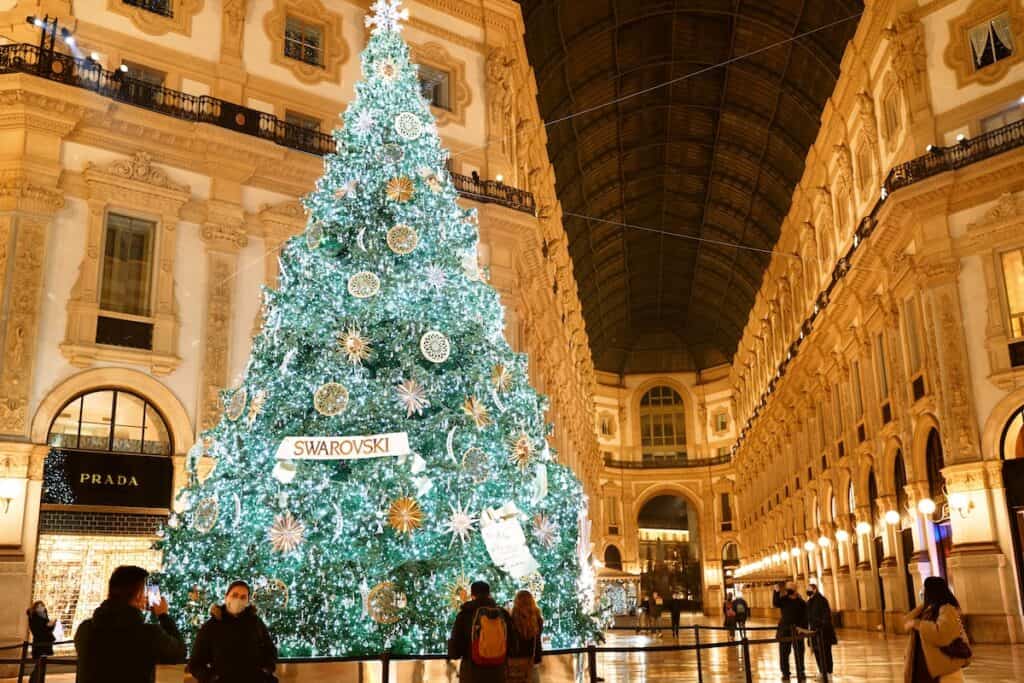
December is a festive month with Christmas markets, decorations and New Year’s Eve celebrations.
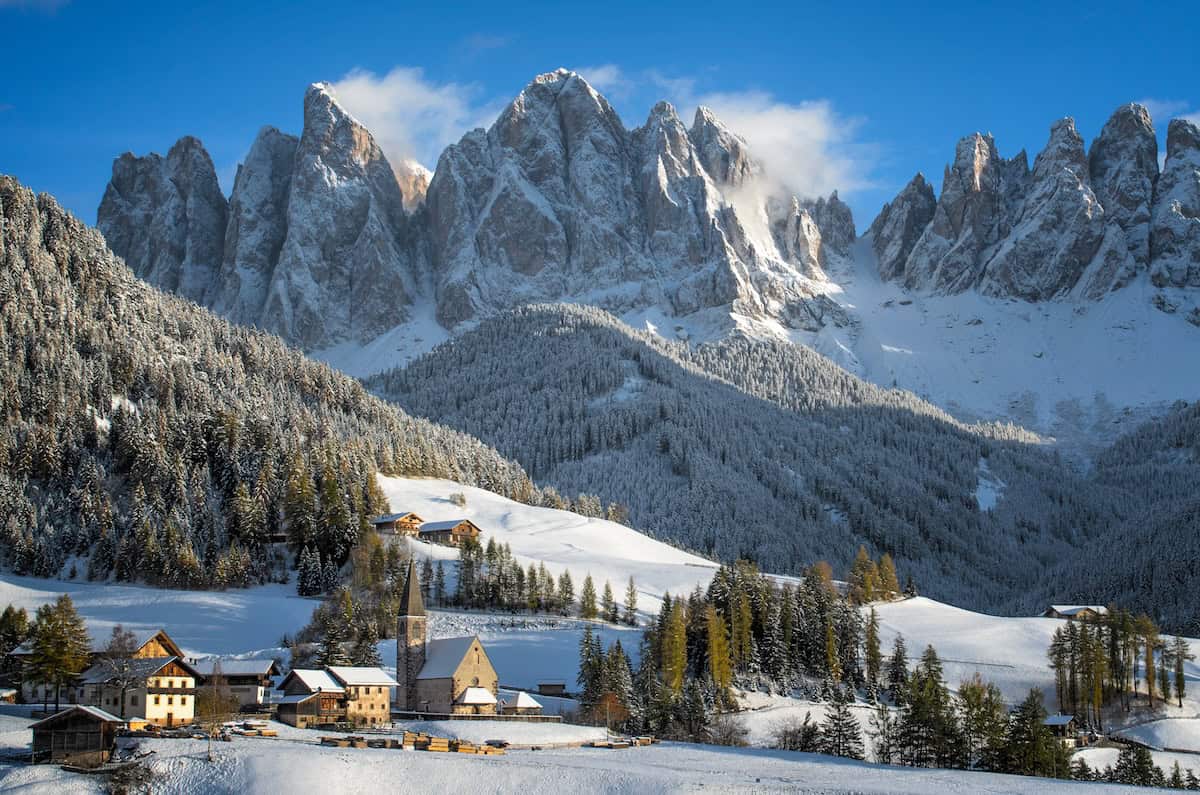
In Northern Italy December is cold and often quite frosty. Temperatures typically range between freezing and around 8°C (46°F), with cities like Milan and Venice experiencing lows around 0°C (32°F) or slightly below. The Dolomites are generally snow-covered, making it a picturesque winter wonderland.
Central Italy experiences milder winters compared to the north. Daytime temperatures generally hover around 13°C (55°F), while nights can be chilly, dropping to about 3°C (37°F). The weather can be quite variable, with a mix of sunny days and rain showers.
Southern Italy enjoys the mildest winter weather. Daytime temperatures often reach 15°C (59°F), making it quite comfortable for outdoor activities, though evenings can be cooler, around 8°C (46°F). While snow is rare, the occasional rain can be expected, particularly along the coastal areas.
While you’ll definitely need a winter coat, December in Italy offers relatively mild weather that many find more enjoyable for sightseeing compared to the intense heat of summer. As the temperatures dip further in January and February and the rains dominate November, December strikes a pleasant balance in between.
| Destination | Max Temperature (°C/°F) | Min Temperature (°C/°F) | Average Rainy Days | Average Sunshine Hours |
|---|---|---|---|---|
| Dolomites | -1/30.2 | -6/21.2 | 8.7 | 3 |
| Venice | 7.4/45.3 | 0.6/33.1 | 5.9 | 2.5 |
| Rome | 12.8/55.0 | 3.1/37.6 | 8.4 | 3.7 |
| Naples | 13.8/56.8 | 6.2/43.2 | 9.3 | 4.3 |
| Cagliari | 15.4/59.7 | 7.2/45.0 | 8.9 | 4.5 |

Weather in Italy in January
January marks the peak of winter in Italy, bringing the coldest temperatures and varying conditions across Italy’s diverse regions.
January is very much off-season and the quietest month of the year.
In Northern Italy, January is the coldest month, often characterized by frosty conditions. Temperatures usually range from -3°C (26°F) in the mountains to about 7°C (45°F) in cities like Milan and Venice. The Dolomites are a prime spot for winter sports enthusiasts, with ample snow covering the slopes.
Central Italy experiences cooler and variable weather in January, with daytime temperatures averaging around 11°C (52°F), while nights can dip to approximately 2°C (36°F). The weather remains variable, with a mixture of clear skies and occasional rain, keeping the landscapes crisp and refreshed.
Southern Italy enjoys more moderate winter weather, where daytime temperatures can climb to 14°C (57°F), offering a pleasant environment for outdoor activities. Evenings are cooler, averaging around 7°C (45°F), and rainfall is sporadic but mild compared to the northern regions.
| Destination | Max Temperature (°C/°F) | Min Temperature (°C/°F) | Average Rainy Days | Average Sunshine Hours |
|---|---|---|---|---|
| Dolomites | -2.2/28 | -7.7/18.1 | 8.7 | 3 |
| Venice | 6.6/43.9 | -0.1/31.8 | 6 | 2.4 |
| Rome | 11.9/53.4 | 3.1/37.6 | 7.7 | 3.5 |
| Naples | 12.1/53.8 | 4.7/40.5 | 9.6 | 4.1 |
| Cagliari | 14.6/58.3 | 6.7/44.1 | 8.5 | 4.3 |
Weather in Italy in February
February continues the winter season across Italy, but the end of month slowly starts hinting at the approaching spring.
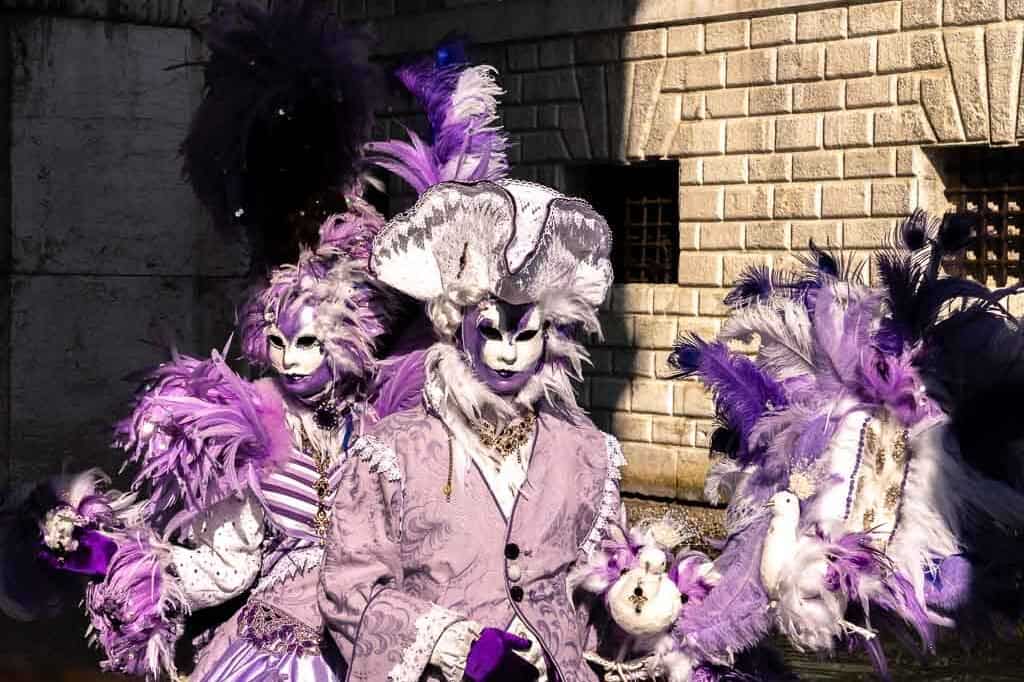
February is usually the month for Carnival celebrations.
In Northern Italy the cold persists with temperatures between -2°C (28°F) and 9°C (48°F). Snowfall is frequent in mountainous areas, offering excellent conditions for skiing in places like the Dolomites, while cities such as Turin and Milan tend to be overcast and chilly.
Central Italy experiences a slight warming trend in February, with daytime temperatures reaching up to 13°C (55°F). Nights remain cold at around 3°C (38°F). While sunny spells are more frequent, rain showers still occur intermittently.
Southern Italy continues to boast the mildest winter climate, with temperatures often reaching 15°C (59°F) during the day. Cooler evenings average around 8°C (46°F), and while rain is still possible, it is usually limited to short bursts.
| Destination | Max Temperature (°C/°F) | Min Temperature (°C/°F) | Average Rainy Days | Average Sunshine Hours |
|---|---|---|---|---|
| Dolomites | 0.2/32.4 | -7.2/19.0 | 7.6 | 4 |
| Venice | 8.6/47.5 | 0.8/33.4 | 5.2 | 3.1 |
| Rome | 13.5/56.3 | 3.8/38.8 | 7 | 4.6 |
| Naples | 13.7/56.7 | 5.2/41.4 | 8.9 | 5 |
| Cagliari | 15.3/59.5 | 7.5/45.5 | 8.1 | 5.2 |

Weather in Italy in March
March in Italy signals the transition from winter to spring, with weather that varies significantly from north to south but slowly starts warming up.
Northern Italy gradually thaws as March progresses, with temperatures ranging from 1°C (34°F) at night to about 14°C (57°F) during the day. Snow starts to melt in lower areas while still present in mountainous regions, providing a beautiful contrast in the alpine scenery.
Central Italy welcomes milder conditions in March, with daytime temperatures averaging around 15°C (59°F). Nights can still be a bit chilly, dropping to around 7°C (45°F). The increased sunshine and longer days herald the arrival of spring, with landscapes beginning to bloom.
Southern Italy experiences a relatively mild March, with daytime temperatures often reaching 17°C (63°F). Evenings remain comfortable around 9°C (48°F). The risk of rain diminishes, making it an ideal time for exploring coastal areas and ancient cities.
March is a perfect time to visit Italy as the weather becomes more pleasant and the landscapes start to blossom, lending themselves to outdoor exploration.
| Destination | Max Temperature (°C/°F) | Min Temperature (°C/°F) | Average Rainy Days | Average Sunshine Hours |
|---|---|---|---|---|
| Dolomites | 4.4/39.9 | -4.4/24.1 | 9 | 5 |
| Venice | 12.5/54.5 | 4.1/39.4 | 5.7 | 4.8 |
| Rome | 15.6/60.1 | 5.1/41.2 | 7.5 | 5.4 |
| Naples | 15.6/60.1 | 7.8/46.0 | 9.2 | 6 |
| Cagliari | 17.3/63.1 | 8.9/48.0 | 7.3 | 6.7 |

Why Visit Italy in Winter
Visiting Italy in winter reveals a side of the country that’s more peaceful and authentic. The seasonal change brings fewer crowds and lower prices allowing for a more relaxed exploration of iconic sites.
You can enjoy festive markets, indulge in hearty cuisine, and experience Italy’s rich cultural traditions. You can choose to go skiing in the North, enjoy some winter sun in the South, or escape the elaments in one of the many worls class museums and galleries.
1. Fewer Crowds
Experience Italy’s iconic sites with fewer tourists around in winter. You can explore places like Rome, Florence, and Venice more comfortably without the overwhelming summer crowds.
While the Christmas and New Year holidays do see an uptick in visitors, it’s still much more manageable compared to peak tourist season.
2. Cheaper Travel Costs
Winter is generally considered the off-season for tourism in Italy, leading to lower prices. You can often find great deals on hotels and enjoy cost savings compared to the high season rates of summer and early fall.
Also flights and activities are much more affordable but do keep in mind that not all establishments and attractions are open year round.
3. Winter Festivities & Traditions
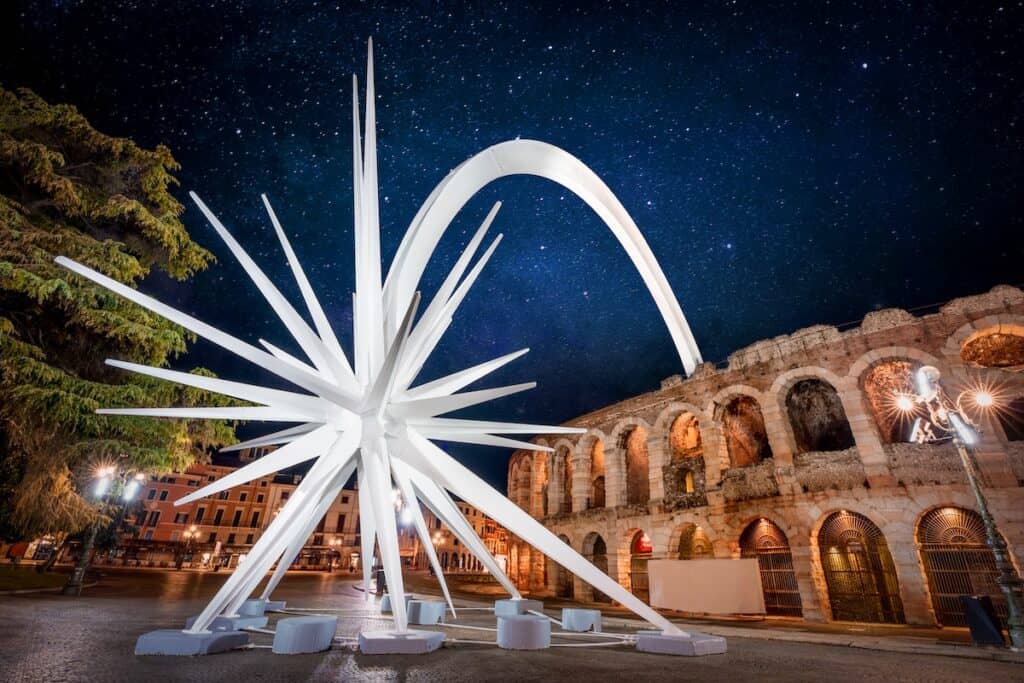
From late November to December, Italy’s festive spirit shines through charming Christmas markets (mercatini di Natale), especially in northern regions like the Dolomites, parts of Veneto, and Friuli. These areas offer a unique blend of Italian and German traditions, snow-dusted landscapes, and rich cultural experiences.
Stroll through market stalls filled with seasonal treats like roasting chestnuts, vin brûlé (mulled wine), handmade nativity figurines, and treats like torrone, panettone, and pandoro. You’ll find some of the best markets in Trento, Verona, and Bolzano. Beyond markets, cities and villages glow with Christmas lights and impressive Christmas trees.
A distinct Italian tradition is the presepi or Nativity scenes, ranging from simple to elaborate displays in homes and churches. Visit the historic Spaccanapoli street in Naples to see intricately detailed figures and scenes crafted by local artisans.
The season ends with Epiphany on January 6th, when the Befana, a kind witch-like figure, visits homes, leaving sweets for good children and charcoal for the naughty ones.
4. An Authentic Experience
With less crowded cities, you have more opportunities to engage with local traditions and everyday Italian life. Whether it’s enjoying a quiet meal in a cozy trattoria or participating in small-town winter festivals, winter provides a unique and intimate cultural perspective and a chance to meet the locals.
In the summer, many locals head to the coastline or countryside to escape the heat, leaving behind a city mainly filled with tourists and those working in tourism. This shift leads to a change in the atmosphere. However, in fall and winter, residents return, bringing back a more authentic atmosphere.
Winter is the ideal time for you to experience the city with a more authentic feel, as you can see the everyday rhythms and traditions of its people.

5. Traditional Italian Winter Food
Winter in Italy is a time to indulge in hearty and comforting dishes with loads of delicious stews and soups. Seasonal specialties like truffles, chestnuts, artichoques and other winter veggies add a delightful flavor to traditional Italian cuisine.
Lombardy is famous for cassoeula, a comforting stew of pork and cabbage, while risotto with saffron is a staple in Milan. Valle d’Aosta offers fonduta, a creamy cheese fondue enjoyed with bread and vegetables. In the mountainous regions like Trentino, polenta is served with stewed meats or mushrooms, providing a robust meal to combat the chilly air.
Tuscany is renowned for ribollita, a thick soup made with bread, beans, and seasonal vegetables, perfect for cozying up on a cold day. Emilia-Romagna, regarded as a culinary haven, showcases tortellini in brodo, delicate stuffed pasta enveloped in rich broth. In Umbria, indulge in porchetta, a savory, aromatic pork roast often used in sandwiches.
In Naples, minestra maritata, or “wedding soup,” combines leafy greens and meats in a flavorful broth. Sicily celebrates winter with pasta con le sarde, a pasta dish featuring fresh sardines, wild fennel, and currants, embodying the island’s vibrant taste profiles.
Across Italy, winter desserts play a significant role, with panettone and pandoro reigning as beloved holiday treats. Both are sweet, rich breads enjoyed during the festive season, while torrone, a nougat with almonds, is a must-try across many regions.

6. Carnival Celebrations
Carnival is a festive period before Lent celebrated in the 10 days leading up to Ash Wednesday. Carnival in Italy is celebratedwith lively parades, parties, and indulgence. Typically occurring in February, it allows for joyous expression before the Lenten fasting. Across Italy, Carnival has unique traditions that often involve wearing masks and costumes.
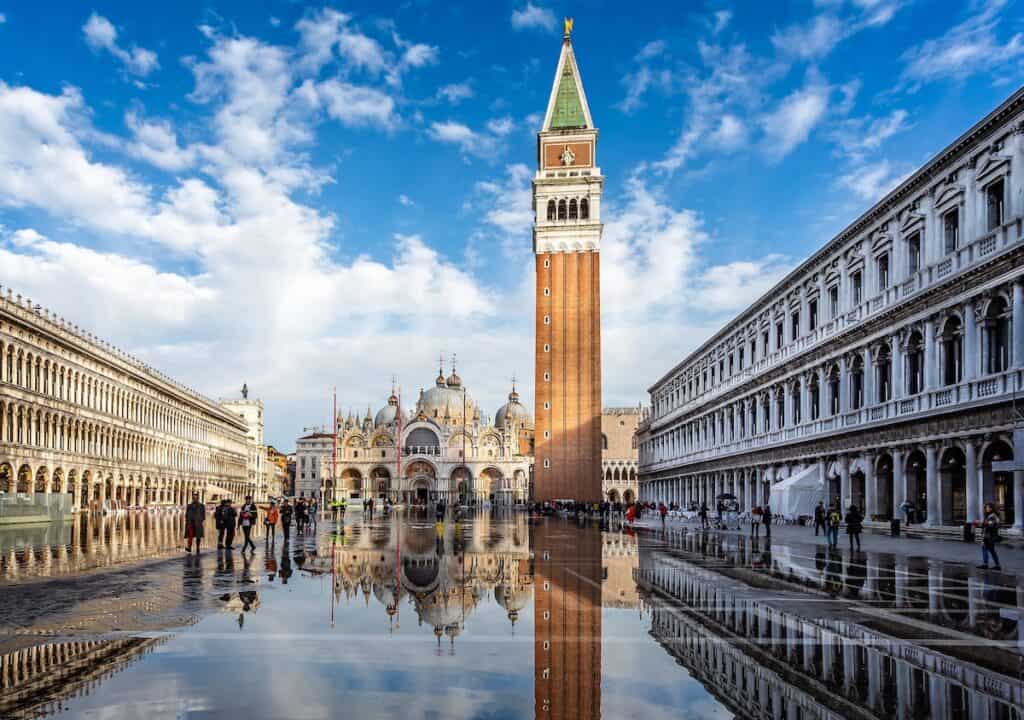
The Venice Carnival is Italy’s most iconic, starting with a Grand Canal parade and featuring the Festa delle Marie, a historic pageant. The carnival starts with the Volo dell’ Angelo where the previous year’s Maria glides from the San Marco belfry. Despite its crowds, the event’s 18th-century ambiance and activities make Venice magical during Carnival.
In Ivrea, Piedmont, the Battle of the Oranges involves a lively orange-throwing contest. The Viareggio Carnival in Tuscany is renowned for its grand parades with massive carriages and marionette figures.
Milan extends festivities with the Ambrosian Carnival, ending after Ash Wednesday with vibrant street parades and performances. These diverse celebrations provide a rich glimpse into Italy’s cultural tapestry.

7. World Class Ski Resorts
Italy is a top destination for winter sports, with ski regions renowned for their stunning landscapes and excellent facilities. The Italian Alps, particularly the Dolomites, are a standout choice. Resorts like Cortina d’Ampezzo and Val Gardena are famed for their stunning landscapes and premier skiing conditions. Cortina, known as the “Queen of the Dolomites,” combines challenging slopes with luxury amenities.
In the Aosta Valley, Courmayeur and Breuil-Cervinia offer diverse options, with Cervinia providing cross-border skiing with Switzerland’s Zermatt. The Milky Way (Via Lattea), including resorts like Sestriere and Sauze d’Oulx, spans the Italian-French border, offering a wide range of slopes for all skill levels.
Italy’s après-ski scene is rich and varied, featuring delicious local cuisine and vibrant nightlife. Each region provides a unique atmosphere, whether it’s gourmet dining in Cortina or socializing in Courmayeur’s lively bars.
Looking forward, Italy will host the Winter Olympics 2026, in Milan and Cortina d’Ampezzo reinforcing the reputation of this renowned ski destination. The Olympics will further establish Italy as a premier winter sports hub, enhancing facilities and attracting global attention.

8. Incredible Galleries and Museums
Winter in Italy might bring some rain, but that’s a great excuse to head inside and luckily, Italy has no shortage of extraordinary institutions to explore.
In Florence, the Uffizi Gallery showcases masterpieces from the Renaissance, including works by Botticelli and Leonardo da Vinci. The Accademia Gallery, also in Florence, houses Michelangelo’s David, a must-see for sculpture enthusiasts.
In Venice the Peggy Guggenheim Collection offers a more modern take, displaying an eclectic collection of 20th-century art from artists like Pollock, Dalí, and Picasso. While the Gallerie dell’Accademia hosts a collection of Venetian masterpieces, including works by Bellini and Titian.
The MAXXI Museum in Rome is Italy’s national museum of 21st-century arts, featuring innovative and interactive exhibits in a stunning modern building designed by Zaha Hadid. For a taste of Italy’s culinary heritage, the Museo della Pasta in Rome offers an engaging look into the world of pasta. This museum features antique exhibits and pasta-making demonstrations.
In Milan, the Pinacoteca di Brera offers an impressive collection of Italian Renaissance art, including works by Raphael and Caravaggio. For a truly iconic experience in Milan, don’t miss Leonardo da Vinci’s The Last Supper at the Convent of Santa Maria delle Grazie.
Naples features the National Archaeological Museum, known for its vast collection of artifacts from Pompeii and Herculaneum. Additionally, Turin’s Egyptian Museum is celebrated as one of the largest collections of Egyptian antiquities outside of Cairo.
If you’re interested in the strange and unusual, the Museo delle Curiosità (Museum of Curiosities) in San Marino is a must-see. Though not officially in Italy, it’s easily accessible and offers a bizarre collection of oddities and artifacts from around the globe.
9. Go shopping
Winter is a fantastic time for shopping in Italy, especially for those keen to embrace Italian style and fashion. Starting just after the Christmas holidays, on January 7th, Italy kicks off one of its biggest sales events of the year. This period, known as Saldi, offers significant discounts on a wide range of products, from clothing and shoes to accessories.
While stores can be bustling, it’s an excellent opportunity to purchase trendy items at competitive prices. This is the perfect occasion for fashion enthusiasts to update their wardrobes with high-quality, Italian-designed pieces without breaking the bank.

Best places to visit in Italy in winter
Italy in winter offers a rich variety of experiences across its beautiful regions. With a mix of ancient history, world-renowned art, and delicious cuisine, Italy truly offers something special for everyone, making it a must-visit destination at any time of year.
In Italy in winter you can enjoy festive carnivals, savor delicious comfort food, and explore historic sites without the crowds.
Below, I suggest the best places to visit in Italy during the winter months.
The Dolomites – for Winter Sports & Snow
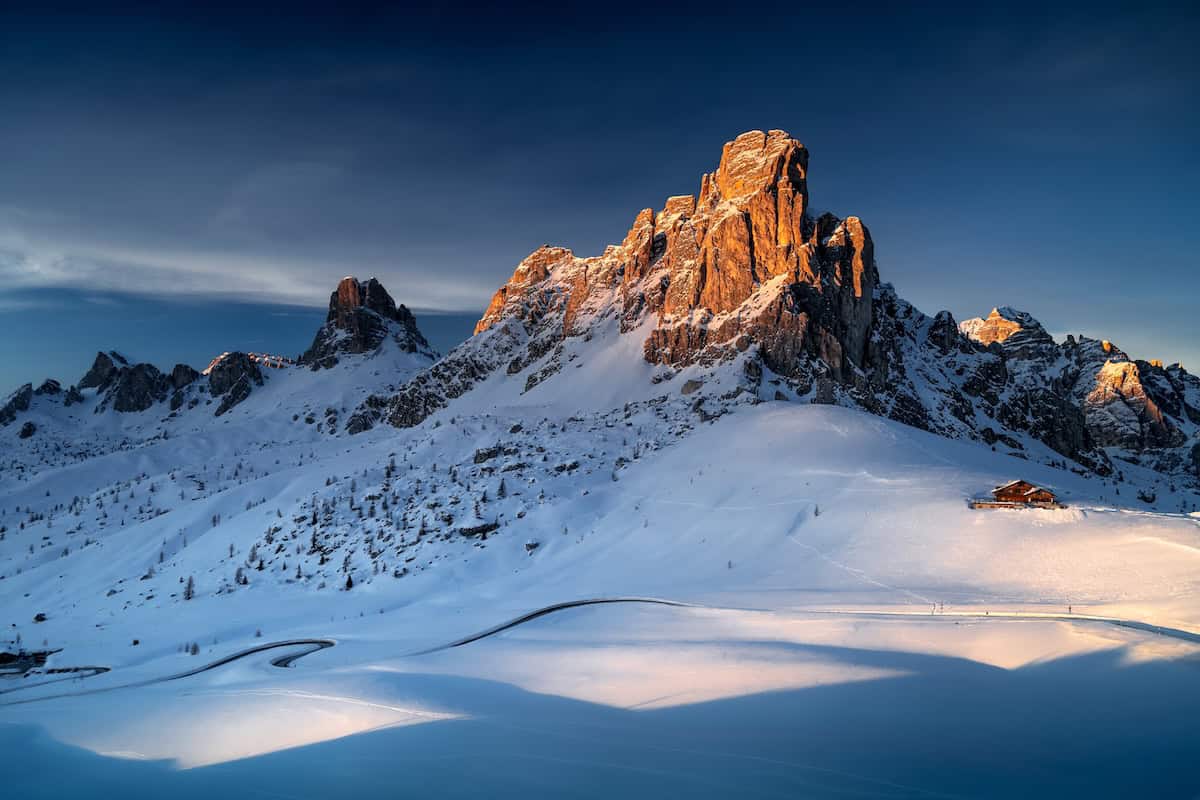
The Dolomites, a UNESCO World Heritage site, are a paradise for winter sports enthusiasts. With its breathtaking alpine scenery, this region offers some of Italy’s finest skiing and snowboarding opportunities.
With numerous ski resorts like Cortina d’Ampezzo, you can enjoy well-maintained slopes and modern facilities. Beyond skiing, you can try snowshoeing or simply appreciate the beautiful landscapes in winter in the Dolomites.

Venice – for the Carnival
Venice in winter transforms into a magical setting with its iconic Venice Carnival, one of the most famous in the world. Usually taking place in February, the city comes alive with masked balls, vibrant parades, and elaborate costumes, offering a unique cultural experience.
While Carnival is a busy time due to its popularity, it offers a unique and unforgettable cultural experience. Witnessing the city’s transformation during this festive period is truly special.

Milan – for Fashion Week
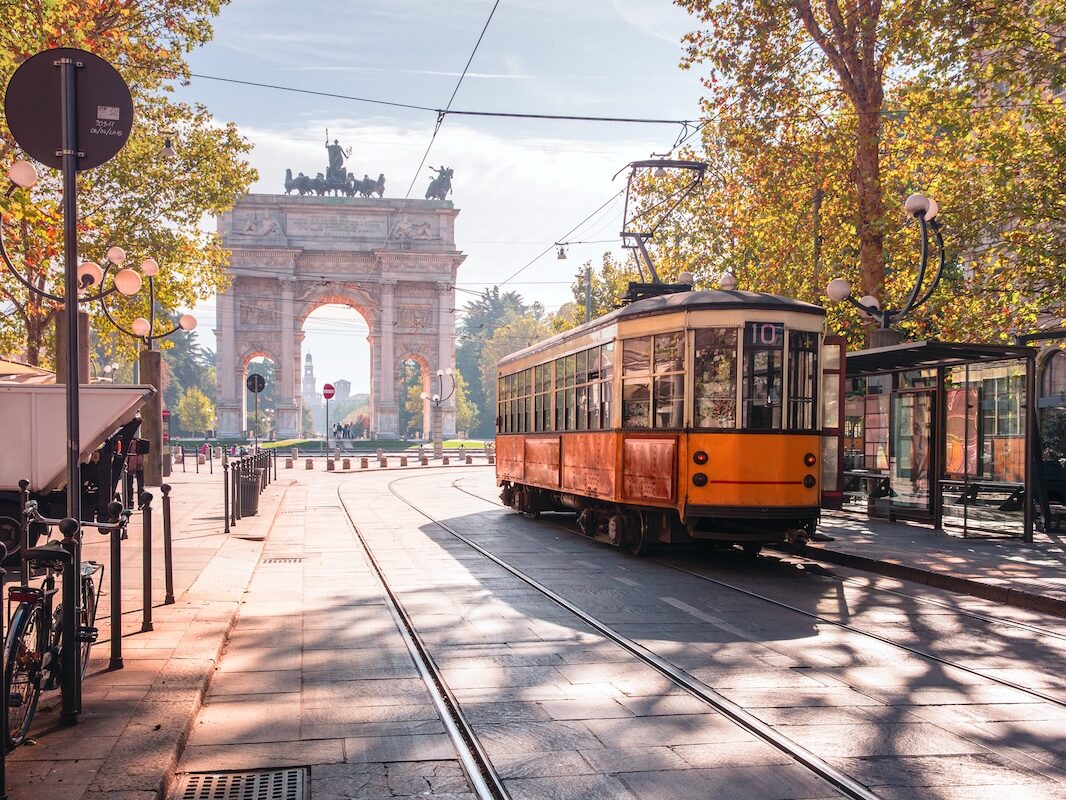
Milan, Italy’s fashion capital, shines in winter as it hosts the Milan Fashion Week in February. This event attracts fashion aficionados from all over the globe and the latest trends in haute couture flood the streets. Winter sales provide additional allure for fashion lovers seeking bargains in the city’s chic boutiques.
Beyond fashion, Milan offers world-class shopping, incredible architecture like the Duomo di Milano, and cultural institutions such as La Scala, one of the world’s premier opera houses.
Bologna – for hearty winter food
Bologna, often hailed as Italy’s food capital, is an ideal winter destination for culinary indulgence. Known for its rich, hearty cuisine, Bologna is the perfect destination for foodies wanting to savor traditional dishes like tagliatelle al ragù and tortellini in brodo.
The city’s warm trattorias and osterias provide a cozy escape from the chilly weather. With fewer tourists, this historic city offers an authentic Italian experience, where you can also explore its medieval architecture, picturesque porticoes, and vibrant markets.

Verona – for romance and love
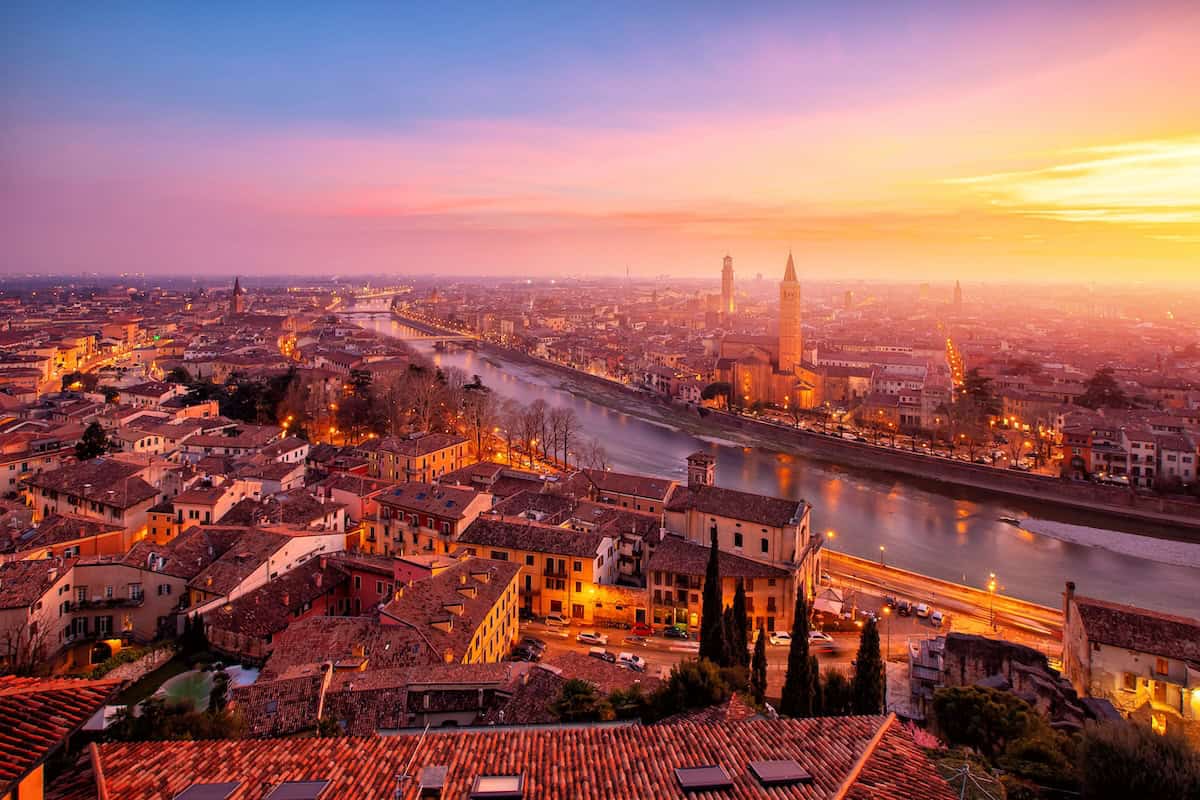
Verona, the city of Romeo and Juliet, is known for romance, making it a perfect winter getaway for couples. During the Verona in Love festival, the city celebrates with themed events, markets, and heart decorations throughout its historic streets.
With fewer tourists around, you can explore highlights like Juliet’s House and the Roman Arena at a more leisurely pace.
Rome – for the eternal city without crowds
Rome in winter presents a unique opportunity to experience the Eternal City without the overwhelming crowds of summer. Explore iconic sites like the Colosseum, Vatican City, and the Pantheon at your own pace, and enjoy the city’s stunning architecture bathed in the soft winter light.
Winter is also an excellent time to delve into Rome’s rich culinary scene, featuring seasonal specialties such as artichokes and hearty pasta dishes. The city’s quieter streets and shorter lines offer a more authentic and relaxed Italian experience.
Sicily – for winter sun
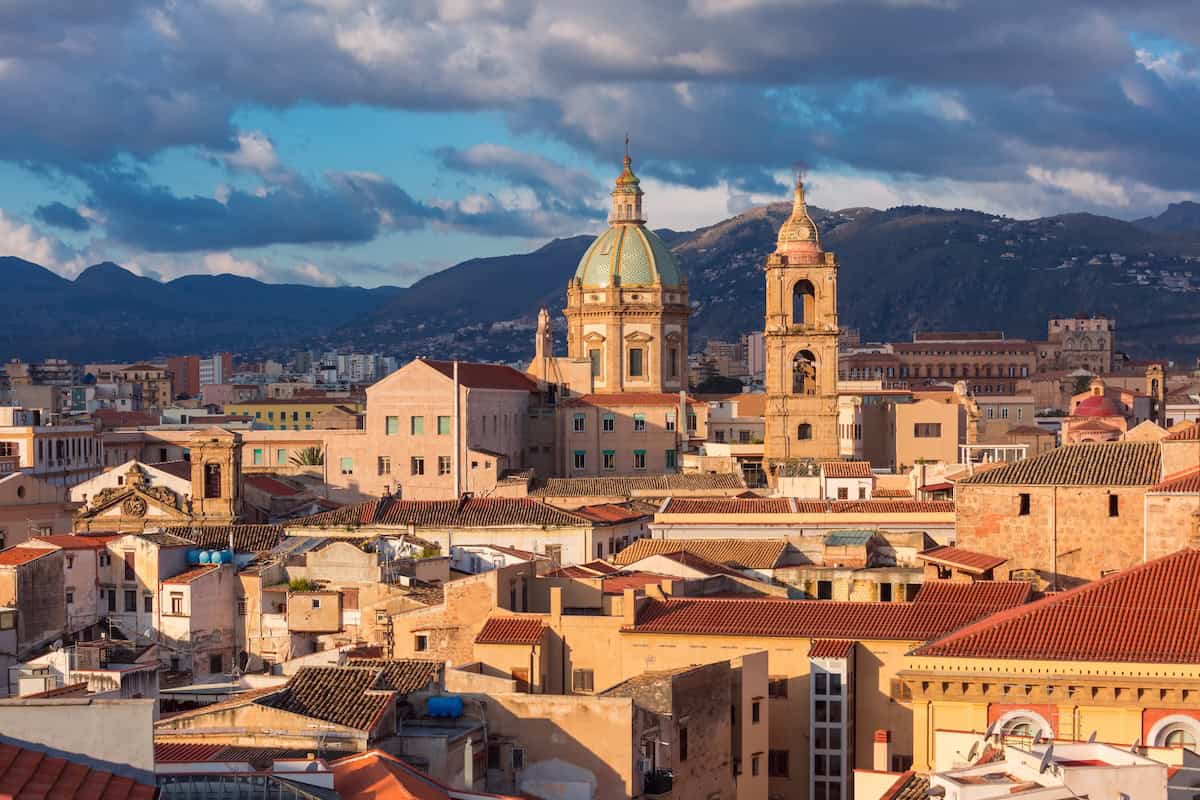
Sicily offers a mild climate and plenty of sunshine during winter, making it the perfect destination for those seeking a break from colder northern climates. While you probably won’t be going to the beach, the island is rich with history, where you can explore ancient ruins like the Valley of the Temples in Agrigento or the Roman mosaics of Villa Romana del Casale.
Sicily’s vibrant towns, such as Palermo and Catania, offer lively markets, baroque architecture, and delicious street food. Winter in Sicily means fewer tourists and an inviting atmosphere to explore its stunning landscapes and cultural heritage at leisure.
Additionally, the Festa di Santa Lucia in Syracuse brings cultural richness with its traditional parades and celebrations.


Italy winter holidays and events
Winter in Italy is full of events and celebrations that offer unique experiences. These festivities can impact shop hours, attractions, and the availability and pricing of accommodations and tours. Most are nationwide but some are better observed in some destinations rather than others.
December events in Italy
With the onset of winter, the cities become more tranquil, but they buzz with life during the Christmas markets and festivities, lighting up with holiday decorations and market stalls selling traditional crafts, food, and mulled wine, creating a warm holiday ambiance amid the cold weather.
The festive spirit is palpable with Christmas markets and traditional Nativity scenes across Italy. Some of my favorite are Oh Bej! Oh Bej! in Milan and Feast of Saint Lucy in Syracuse.
8th of December – The Immaculate Conception (Concezione Immacolata)
Most museums, shops, and attractions stay open.
13th of December – Feast of Saint Lucy (Festa di Santa Lucia)
Operating hours for shops, restaurants, and tours may vary. Best observer in Verona or Siracuse.
24th of December – Christmas Eve (La Vigilia di Natale)
Shops and attractions close early. Dinner reservations are a must.
25th of December – Christmas Day (Natale)
Limited shop, restaurant, and tour operations. Book your Christmas lunch in advance.
26th of December – St. Stephen’s Day (Il Giorno di Santo Stefano)
Operating hours for shops, restaurants, and tours may vary.
31st December – New Year’s Eve (La Vigilia di Capodanno)
Shops and attractions close early. Book your dinner in advance and join the festivities in the squares.
January events in Italy
January is low season and this period offers a quieter time to explore Italy without the typical tourist crowds.
Despite the chill, head out for the Epiphany celebrations with the “Befana” traditions. My favorite is the Regatta della Befana in Venice.
1st of January – New Year’s Day (Capodanno)
Some services may operate on reduced hours.
6th of January – The Epiphany (La Befana)
Operating hours may vary.
School holidays
Italian school holidays and those in other European countries occur between Christmas and the Epiphany, leading to more visitors. Check specific dates as they vary annually.

February events in Italy
February is Carnival month in Italy, with celebrations two weeks before Lent, ending on Shrove Tuesday. Expect higher prices and more visitors, but the unique atmosphere is worth it.
Carnival season brings color and cheer to Italy in February, with Venice and Viareggio hosting some of the most spectacular celebrations filled with parades, masks, and festivities. I highly recommend checking out the Orange Battle in Ivrea, a massive orange fight during the Carnival period, symbolizing rebellion against tyranny.
Valentine’s Day (San Valentino) in February is a fantastic time for a romantic trip. I highly recommend Verona, the city of Romeo and Juliet which hosts the Verona in Love festival in mid-February. Venice, Rome and Florence are great romantic getaways too.
And if you’re after something more unique, Terni, located in Umbria, is home to Saint Valentine’s Basilica. The city celebrates with “Valentinian Events,” including fairs, concerts, and exhibitions dedicated to love.
14th of February – Valentine’s Day (San Valentino)
No impact on opening times, but reservations for dinner and gondola rides are recommended for a romantic evening.
Carnival (Carnevale)
Dates vary, running for ten days leading up to Ash Wednesday. Notably celebrated in Venice, Viareggio, and Ivrea. It includes parades, masks, and parties leading up to Lent. Here the Carnevale draws crowds from across the globe and booking ahead is crucial.
March events in Italy
In March Italians celebrate Women’s Day (Festa della Donna) on March 8, where yellow mimosa flowers are given to women, and Saint Joseph’s Day (Festa di San Giuseppe) on March 19, which also doubles as Father’s Day in Italy.
Additionally, Carnival and Easter, sometimes fall within the month of March. Their dates are determined by the liturgical calendar, meaning Carnival can begin in February and continue into March, while Easter may occur in late March or April. Both holidays lead to increased tourist activity, so consider this when planning a trip in March.
March 8th – International Women’s Day (La Festa della Donna)
Celebrated across Italy to honor women’s achievements, often marked by the giving of mimosa flowers. Lunch and dinner reservations advised.
March 19th – Feast of Saint Joseph (Festa di San Giuseppe)
Father’s Day (Festa del Papa) in Italy, with celebrations including special pastries like zeppole or sfinge in various regions. Lunch and dinner reservations advised.
Easter (Pasqua)
Dates vary and Easter is sometimes observed in late March. Expect closures on Easter Sunday and reduced hours on Easter Monday, known as Pasquetta.

What to pack for Italy during winter
When packing for a winter trip to Italy, it’s essential to consider both the weather and your itinerary.
For a complete list of suggestions, download our full winter packing guide!
Here are some key items that will help you stay warm and comfortable while exploring.
- Warm, Water-Resistant Coat: A thermal coat that can handle rain is crucial. Look for one with a removable lining or hood for versatility.
- Waterproof Shoes: Keep your feet dry with water-resistant shoes. Avoid canvas or fabric shoes as they quickly soak through.
- Scarf or Shawl: Great for layering and adding warmth. A shawl can also serve as a blanket on flights or in chilly indoor spaces.
- Hat and Gloves: Stay warm and stylish by packing a wool hat and leather gloves, helping you blend in with the chic Italian fashion.
- Umbrella: A small, collapsible umbrella is handy for Italy’s rainy winters. Leave the bulky ones at home since they’re not allowed in many museums.
- Warm Sleepwear and Slippers: Hotels often have cooler temperatures, so pack cozy sleepwear and slippers for comfort during your stay.
- Sunblock and Sunglasses: Even in winter, the sun can be strong. Light sunscreen and sunglasses are a must to protect your skin and eyes.
- Thermals: If visiting the mountains or snowy areas, bring thermal leggings and tops.
- Layers: Dressing in layers helps you adapt to changing temperatures throughout the day.
Latest on Winter in Italy

Bologna in winter – 20+ things to do in winter in Bologna
I adore Bologna at any time of the year, but there’s something particularly special about the La Dotta, La…
Milan in winter – 30+ best things to do in winter in Milan
Winter in Milan offers a unique mix of history, culture, and seasonal festivities. As someone who has explored its…
Venice in Winter – 30+ best things to do in winter in Venice
There’s nothing quite like a sunny winter day in Venice. Living just a couple of hours away, I’ve enjoyed…

Verona in winter – 30+ best things to do in winter in Verona
I visited Verona a few times, and trust me, winter in Verona is something special. The crowds thin out,…
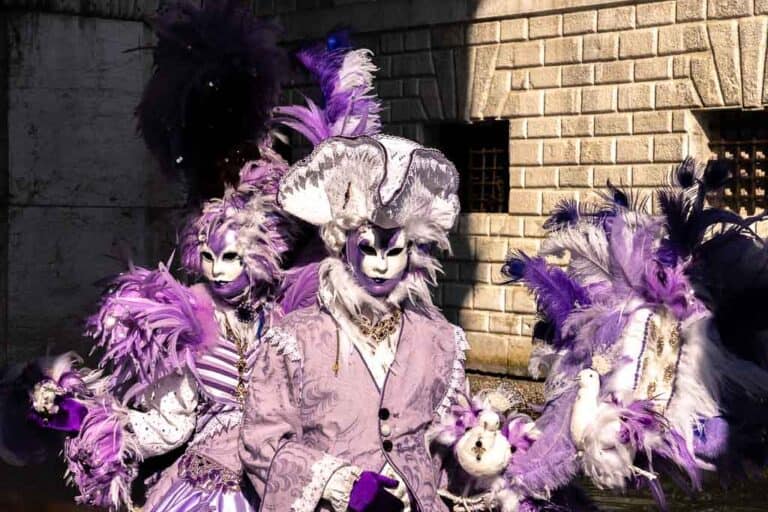
Venice Carnival – Your guide to the carnival in Venice
The Venice Carnival dates back to the 12th century. Revived officially in 1979, it takes place in the weeks…
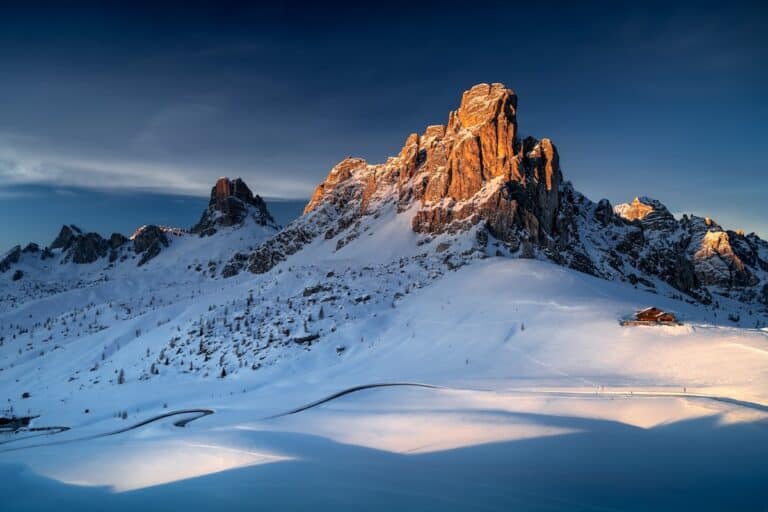

The Dolomites in Winter – 16 unmissable things to do in winter in the Dolomites
The Dolomites are one of the best places to visit in winter. This snow paradise comes with some incredible…